Showing posts with label Prevention. Show all posts

Monday, September 17, 2018

Cancer Prevention Diet


While there’s no magic food or diet guaranteed to cure or prevent cancer, lifestyle factors—including your diet—can make a big difference in lowering your risk of developing the disease. And if you are currently battling cancer, adopting the right diet now can help maintain your strength and boost your emotional wellbeing as you go through treatment. By avoiding foods that increase your risk of cancer and eating more of those that support your immune system, you can better protect your health and boost your ability fight off cancer and other diseases.

What’s the link between cancer and diet?

Some cancer risk factors, such as genetics and environment, are out of your control, but research suggest that about 70% of your lifetime risk of cancer is within your power to change, including your diet. Avoiding cigarettes, limiting alcohol, reaching a healthy weight, and getting regular exercise are all great steps for preventing cancer. Adopting a healthy diet can also play a vital role.
What you eat—and don’t eat—can have a powerful effect on your health, including your risk for cancer. While research tends to point to associations between specific foods and cancer, rather than solid cause-and-effect relationships, there are certain dietary habits that can have a major influence on your risk. For example, eating a traditional Mediterranean diet rich in fruit, vegetables, and healthy fats like olive oil can lower your risk for a variety of common cancers, including breast cancer. Conversely, a diet that includes a daily serving of processed meat increases your risk of colorectal cancer.
If you have a history of cancer in your family, making small changes to your diet and behaviors now can make a big difference to your long-term health. And if you’ve already been diagnosed with cancer, eating a nutritious diet can help support your mood and strengthen your body during this challenging time.

Simple ways to build your cancer-prevention diet

To lower your risk for many types of cancer—as well as other serious disease—aim to build your diet around a variety of antioxidant-rich fruit and vegetables, nuts, beans, whole grains, and healthy fats. At the same time, try to limit the amount of processed and fried foods, unhealthy fats, sugars and refined carbs you consume.

Lower your risk with antioxidants

Plant-based foods are rich in nutrients known as antioxidants that boost your immune system and help protect against cancer cells.
  • Diets high in fruit may lower the risk of stomach and lung cancer.
  • Eating vegetables containing carotenoids, such as carrots, Brussels sprouts, and squash, may reduce the risk of lung, mouth, pharynx, and larynx cancers.
  • Diets high in non-starchy vegetables, such as broccoli, spinach, and beans, may help protect against stomach and esophageal cancer.
  • Eating oranges, berries, peas, bell peppers, dark leafy greens and other foods high in vitamin C may also protect against esophageal cancer.
  • Foods high in lycopene, such as tomatoes, guava, and watermelon, may lower the risk of prostate cancer.

Add more fruit and veggies to your diet

Currently, most of us fall well short of the recommended daily minimum of five servings of fruit and vegetables. To add more to your diet, focus on adding “whole” foods, as close to their natural state as possible. For example, eat an unpeeled apple instead of drinking apple juice.
Breakfast: Add fresh fruit, seeds, and nuts to your whole grain, low-sugar breakfast cereal (such as oatmeal).
Lunch: Eat a salad filled with your favorite beans and peas or other combo of veggies. Add lettuce, tomato, and avocado to a whole grain sandwich. Have a side of carrots, sauerkraut, or fruit.
Snacks: Grab an apple or banana on your way out the door. Dip carrots, celery, cucumbers, jicama, and peppers in hummus. Keep trail mix made with nuts and dried fruit on hand.
Dinner: Add fresh or frozen veggies to your favorite pasta sauce or rice dish. Top a baked potato with broccoli, sautéed veggies, or salsa.
Dessert: Choose fruit instead of sugary desserts

Fill up on fiber

Fiber, also called roughage or bulk, is found in fruit, vegetables, and whole grains and plays a key role in keeping your digestive system clean and healthy. It helps keep cancer-causing compounds moving through your digestive tract before they can create harm. Eating a diet high in fiber may help prevent colorectal cancer and other common digestive system cancers, including stomach, mouth, and pharynx.

Choose healthy fats

Eating a diet high in fat increases your risk for many types of cancer. But healthy types of fat may actually protect against cancer.
Avoid trans fat or partially hydrogenated oil found in packaged and fried foods such as cookies, crackers, cakes, muffins, pie crusts, pizza dough, French fries, fried chicken, and hard taco shells.
Limit saturated fat from red meat and dairy to no more than 10 % of your daily calories.
Add more unsaturated fats from fish, olive oil, nuts, and avocados. Omega-3 fatty acids found in salmon, tuna, and flaxseeds can fight inflammation and support brain and heart health.

Cut down on sugar and refined carbs

Consuming refined carbs that cause rapid spikes in blood sugarhas been linked to an 88% greater risk of prostate cancer, as well as other serious health problems.

Instead of sugary soft drinks, sweetened cereals, white bread, pasta and processed foods like pizza, opt for unrefined whole grains like whole wheat or multigrain bread, brown rice, barley, quinoa, bran cereal, oatmeal, and non-starchy vegetables. It could lower your risk for colorectal and prostate cancer as well as help you reach a healthy weight.

Limit processed and red meat

Many different studies have established a link between the risk of cancer and eating processed meat such bacon, sausages, hotdogs, pepperoni, and salami. Eating about 2 oz. (50 grams) a day of processed meat increases your risk of colorectal cancer by 20%. This could be due to the nitrate preservatives or other substances used in the processing of the meat, although risk factors for cancer also increase by eating red meat, too. The safest strategy is to limit the amount of processed meat you consume and vary your diet by seeking out other protein sources, such as fish, chicken, eggs, nuts, and soy, rather than relying just on red meat.

Prepare your food in healthy ways

Choosing healthy food is not the only important factor in preventing cancer. It also matters how you prepare, store, and cook your food.

Boosting the cancer-fighting benefits of food

Here are a few tips that will help you get the most benefits from eating all those great cancer-fighting foods, such as fruit and vegetables:
Eat at least some raw fruits and vegetables as they tend to have the highest amounts of vitamins and minerals, although cooking some vegetables can make the vitamins more available for our body to use.
When cooking vegetables, steam only until tender. This preserves more of the vitamins. Overcooking vegetables removes many of the vitamins and minerals. If you do boil vegetables, use the cooking water in a soup or another dish to ensure you’re getting all the vitamins.
Wash all fruits and vegetables. Use a vegetable brush for washing. Washing does not eliminate all pesticide residue, but will reduce it.
Flavor food with immune-boosting herbs and spices. Garlic, ginger, and curry powder not only add flavor, but they add a cancer-fighting punch of valuable nutrients. Other good choices include turmeric, basil, rosemary, and coriander. Try using them in soups, salads, and casseroles.

Tips for cutting down on carcinogens

Carcinogens are cancer-causing substances found in food. They can form during the cooking or preserving process—mostly in relation to meat—and as foods starts to spoil. Examples of foods that have carcinogens are cured, dried, and preserved meats (e.g. bacon, sausage, beef jerky); burned or charred meats; smoked foods; and foods that have become moldy.
To reduce your exposure to carcinogens:
Do not cook oils on high heat. Low-heat cooking or baking (less than 240 degrees) prevents oils or fats from turning carcinogenic. Instead of deep-frying, pan-frying, and sautéing, opt for healthier methods such as baking, boiling, steaming, or broiling.
Go easy on the barbecue. Burning or charring meats creates carcinogenic substances. If you do choose to barbecue, don’t overcook the meat and be sure to cook at the proper temperature (not too hot).
Store oils in a cool dark place in airtight containers, as they quickly become rancid when exposed to heat, light, and air.
Avoid food that looks or smells moldy, as it likely contains aflatoxin, a strong carcinogen most commonly found on moldy peanuts. Nuts will stay fresh longer if kept in the refrigerator or freezer.
Be careful what you put in the microwave. Use waxed paper rather than plastic wrap to cover your food in the microwave. And always use microwave-safe containers.

The five worst foods to grill

  • Chicken breast, skinless, boneless, grilled, well done
  • Steak, grilled, well done
  • Pork, barbecued
  • Salmon, grilled with skin
  • Hamburger, grilled, well done
Source: Physicians Committee for Responsible Medicine

GMOs, pesticides, and cancer risk

Genetically modified organisms (GMOs) are plants or animals whose DNA has been altered in ways that cannot occur in nature or in traditional crossbreeding, most commonly in order to be resistant to pesticides or produce an insecticide. While the U.S. Food and Drug Administration (FDA) and the biotech companies that engineer GMOs insist they are safe, many food safety advocates point out that these products have undergone only short-term testing to determine their effects on humans.
Some animal studies have indicated that consuming GMOs may cause certain types of cancer. Since most GMOs are engineered for herbicide tolerance, the use of toxic herbicides like Roundup has substantially increased since GMOs were introduced. Some studies have indicated that the use of pesticides even at low doses can increase the risk of certain cancers, such as leukemia, lymphoma, brain tumors, breast cancer, and prostate cancer. However, research into the link between GMOs, pesticides, and cancer remains inconclusive.

If you're worried about GMOs and pesticides, buy organic or local foods

In most countries, organic crops contain no GMOs and organic meat comes from animals raised on organic, GMO-free feed. Locally grown produce is less likely to have been treated with chemicals to prevent spoilage.

Other lifestyle tips for cancer prevention

While your diet is central to preventing cancer, other healthy habits can further lower your risk:
  1. Be as lean as possible without becoming underweight. . Weight gain, overweight and obesity increases the risk of a number of cancers, including bowel, breast, prostate, pancreatic, endometrial, kidney, gallbladder, esophageal, and ovarian cancers.
  2. Be physically active for at least 30 minutes every day. Physical activity decreases the risk of colon, endometrial, and postmenopausal breast cancer. Three 10-minute sessions work just as well, but the key is to find an activity you enjoy and make it a part of your daily life.
  3. Limit alcoholic drinks. Limit consumption to no more than two drinks a day for men and one a day for women.
  4. Where possible, aim to meet nutritional needs through diet alone, instead of trying to use supplements to protect against cancer.
  5. It is best for mothers to breastfeed exclusively for up to 6 months and then add other liquids and foods. Babies who are breastfed are less likely to be overweight as children or adults.
  6. After treatment, cancer survivors should follow the recommendations for cancer prevention. Follow the recommendations for diet, healthy weight, and physical activity from your doctor or trained professional.

Angelina Jolie’s doctor shares top 10 breast cancer prevention tips

To coincide with National Breast cancer Awareness month in October, Dr. Kristi Funk — who is Jolie’s doctor and the founder of the Pink Lotus Breast Center in California — shared some of her top diet and lifestyle tips to help prevent breast cancer while on US breakfast show, Good Morning America.
1. Eat cruciferous vegetables every day
According to Dr Funk, consuming cauliflower, broccoli, kale, cabbage and brussels sprouts are all great for breast health. This is because of their glucosinolate content, which when broken or chewed, an enzyme called myrosinase converts glucosinolates to isothiocyanates — which have potent anti-cancer effects including anti-inflammatory and Anti-angiogenic effects.
2. Eat antioxidant-rich berries
Strawberries, blueberries, raspberries and blackberries are all rich in antioxidants and phytonutrients.
“These things are free-radical scavengers so, believe it or not, berries make cancer cells commit suicide,” she added. “I blend a cup a day into a shake.”
3. Eat more turmeric
Activated by black pepper, Turmeric is a breast health “superfood” and is easily consumed when adding to a smoothie.
4. Eat more Indian Gooseberry
Often sold as “AMLA powder,” Indian Gooseberry has the highest concentration of antioxidants on earth. It also improves metabolic activity, assists with calcium absorption and assists with improving eyesight.
5. Go mad for mushrooms
Button mushrooms are a great source of nutrients when it comes to breast cancer prevention. While there is currently no evidence that any type of mushroom or mushroom extract can prevent or cure cancer, button mushrooms contain all the essential amino acids and are a good source of vitamins.
6. Eat more soy
For years, doctors, including Funk, told breast cancer patients to avoid soy. Funk says that since 2009, however, newer studies have shown benefits of soy products, including tempeh, tofu, edamame and soy milk.
Dr Funk said women should up their soy, which was once considered a food to ignore. 
7. Stick to regular bar soaps
Using old-fashioned bar soap instead of antibacterial soap can lessen the risk of toxins you are exposed to.
8. Buy organic when eating the skin of produce
Try and eat organic as often as you can, but Dr Funk said it is most important when you’re eating a fruit or vegetable — try and leave the skin on which may have absorbed toxins.
9. Dust and vacuum your home regularly
Dusting and vacuuming is a great way to lessen the number of toxins in the air, according to Funk.
10. Fill your home with household plants
Many house plants naturally absorb toxins, Funk said.
 

Breast Cancer Risk Factors

Many women who develop breast cancer do not have any known risk factors. Still, we know that women who possess certain risk factors are at a higher risk of developing breast cancer than the general population. Although some women who have one or more risk factors may never develop breast cancer, we can use the knowledge of these risk factors to target higher-risk women with increased breast surveillance and breast cancer prevention strategies.

Certain, unavoidable risk factors — such as gender and age — make us all susceptible to breast cancer. Other risk factors, such as family history, are also factors that we cannot change. However, research has shown that there are some risk factors, including alcohol intake and body weight, which are modifiable.
Below you will find a summary of the factors that increase risk for developing breast cancer, including both factors that we cannot change and those we can.

Risk Factors We Cannot Change

Gender

Women account for more than 99 percent of all breast cancer cases.

Age

After gender, age is the most influential risk factor for developing breast cancer. Women younger than age 40 account for only 4.7 percent of invasive breast cancer diagnoses and only 3.6 percent of in situ breast cancer diagnoses. Over 70 percent of all breast cancer diagnoses are made in women who are 50 or older.
You may have heard the statistic that one in eight women in the United States will develop breast cancer. This does not mean that a woman of any age has a one-in-eight chance of developing breast cancer. This statistic conveys a woman's lifetime risk. This means that if a woman lives until age 85, she has a risk of one in eight of developing breast cancer sometime during her lifetime.

Race

After age 40, Caucasian women are more likely to be diagnosed with breast cancer than African-American women. However, African-American women are more likely than white women to die of breast cancer. Women of Asian, Hispanic or American Indian descent are at lower risk than Caucasian or African-American women for developing breast cancer.

Personal History

If a woman has had cancer in one breast, she is at increased risk of developing cancer in the other breast.

Family History

Women with a relative who has had breast cancer are at higher risk of developing breast cancer themselves, particularly if it is a first-degree relative, such as a mother, sister or daughter.
That risk is further increased if a woman has multiple first-degree relatives who have had breast cancer, or if she has a first-degree relative who developed breast cancer at a young age or in both breasts.
Patients with family members who have had breast and/or ovarian cancer may choose to see a qualified genetic counselor from the UCSF Cancer Genetics and Prevention Program at Mount Zion. These counselors are available to evaluate a person's likelihood of carrying a gene mutation and to discuss the possibility of genetic testing.

Genetic Risk Factors

Women who have certain inherited gene mutations (including BRCA1 and BRCA2) have a significantly increased risk of breast cancer and account for about 5 percent to 10 percent of breast cancer cases. In most women, the normally functioning BRCA1 and BRCA2 genes help to prevent breast cancer by controlling cell growth. However, these genes are no longer able to control cell growth properly unmutated.
Since these genes are passed down from your parents, it is possible to carry a gene mutation from the mother or father's side of the family. A female who carries either the BRCA1 or BRCA2 gene mutation has up to an 85 percent chance of developing breast cancer by the age of 70. However, in men the BRCA2 gene mutation is reported to increase risk of breast cancer more than the BRCA1 gene mutation. Males who carry the BRCA2 gene mutation have a suggested 6 percent chance of developing breast cancer during a lifetime.
A prevalence of the BRCA1 and BRCA2 gene mutations has been observed in the Ashkenazi Jewish (Jews with European or Central European ancestry) population. Having one or more relatives with breast or ovarian cancer, and being of Ashkenazi Jewish descent, puts a person at greater risk for carrying a BRCA gene mutation.

Radiation

Exposure to high doses of chest radiation, such as for medical therapy for Hodgkin's lymphoma, particularly during childhood, can greatly increase a woman's risk of developing breast cancer.
Researchers have found that the age at which radiation was received is inversely related to the acquired risk. Thus, women who received radiation after their menopausal years incurred very little risk.

DES Exposure

In the 1950s and 1960s, many pregnant women took a synthetic form of estrogen called diethylstilbestrol (DES) to prevent miscarriage. Many of these women's daughters eventually developed vaginal and cervical cancer at a rate that seemed higher than normal, and studies found that DES exposure was indeed associated with an increased risk of these types of cancer.
Because of the exposure to additional estrogen, women who were exposed to DES in utero also may be at higher risk for breast cancer. A study published in October 2002 found that in women who were 40 years and older, breast cancer risk was in fact increased if a woman had been exposed to DES.

Age at Menstruation

A woman's amount of exposure to estrogen and progesterone during her lifetime is believed to be a risk factor. The longer a woman is exposed, the more likely she is to develop breast cancer. Therefore, if a woman begins menstruation before age 12, she is believed to be at slightly higher risk.

Age at First Birth

It has been observed that women who have their first child after age 29, or who do not have any children, are at slightly higher risk for breast cancer than women who have their first child before age 29. It has been proposed that breast changes during pregnancy may have protective effects against cancer development because risk of breast cancer appears to decrease with each additional childbirth.
It is important to note that evidence suggests the opposite is true for women who have a family history of breast cancer. In other words, women who have a family history of breast cancer are at lower risk if they have no children or have their children at a later age.

Age at Menopause

Women who go through menopause after the age of 54 have a slightly higher risk of breast cancer than women who go through menopause at age 54 or younger. Their higher risk may be related to their higher lifetime exposure to estrogen and progesterone.

Atypical Hyperplasia or Atypia

Either atypical hyperplasia or atypia indicates the growth of abnormal cells in the breast. The diagnosis of atypical hyperplasia can be made from a core biopsy or excisional biopsy, and has been correlated with an increased risk of breast cancer.
The diagnosis of atypia can be made from nipple aspiration, ductal lavage, or fine needle aspiration (FNA), and also indicates an increased breast cancer risk. Although these cells are not yet cancerous, they do raise a woman's risk of eventually developing breast cancer. While biopsies and FNAs are usually reserved for when there is a current indication that a woman might have breast cancer, nipple aspiration and ductal lavage are methods that may help assess a woman's future risk of breast cancer.

Breast Density

Studies have consistently shown that higher breast density is linked with increased risk of breast cancer. Research is examining whether breast density may be modifiable by changing women's hormones or diet. One medication that has been demonstrated to reduce breast density is tamoxifen.

Serum Estradiol Level

Estradiol is the predominant form of estrogen circulating in the body. 'Serum estradiol' refers to the amount of estradiol in the blood, so a woman's level of serum estradiol may be measured with a simple blood test.
In postmenopausal women, higher hormone levels in the blood have been associated with an increased risk of breast cancer.

Risk Factors We Can Change

Obesity

Studies have shown a clear association between obesity and increased risk of post-menopausal breast cancer. Because having more fat tissue can increase a woman's level of estrogen, it is important for a woman to attempt to control her weight, particularly after menopause. Once a woman has stopped menstruating, her levels of estrogen and progesterone are much lower than they once were. Excess fat tissue may cause significant increases in her hormone levels.

Physical Activity

Physical activity not only helps a woman reduce her risk of breast cancer by maintaining a healthy body weight, it may also have its own benefits to risk reduction. Some studies have shown that physical exercise throughout a woman's life reduces her risk, independent of her weight.
One theory is that exercise may reduce a woman's risk by limiting menstrual function, and it has been observed that regular physical exercise can delay menarche — the onset of menstruation — when body fat percentage is low. Since breast cancer risk may be significantly influenced by a woman's lifetime exposure to hormones, reducing that exposure may also reduce her risk.

Alcohol Consumption

Many epidemiological studies spanning the past 20 years have shown an association between alcohol consumption and increased risk of breast cancer. Studies have consistently found that women who consume at least three alcoholic drinks per day are at higher risk for developing breast cancer than women who do not drink alcohol. Furthermore, study findings have shown that for women who drink two alcoholic drinks or more per day, breast cancer risk is related to the amount of alcohol consumed — higher consumption of alcohol equals higher breast cancer risk.
Among other mechanisms, it has been suggested that alcohol may increase a woman's hormone levels. A recent study fed women specified amounts of alcohol each day, and demonstrated that a woman's levels of blood estrogen did increase according to the amount of alcohol she consumed. In particular, the breast cancer risk of post-menopausal women, whose bodies make very little estrogen compared with pre-menopausal women, may be affected by alcohol consumption by this mechanism.

Hormone Replacement Therapy

A study conducted by the Women's Health Initiative (WHI) showed that women in the study population who took hormone replacement therapy — combined estrogen and progestin — had a 26 percent increased risk (relative to an average woman) of invasive breast cancer after four to five years of therapy. This finding is consistent with the growing evidence that exogenous (outside) hormones increase a woman's lifetime estrogen exposure as well as increasing her breast cancer risk.

Breastfeeding

An analysis published in July 2002 pulled together data from 47 previous studies to show that breastfeeding does in fact slightly lower a woman's risk of breast cancer. The longer a woman breastfed, the lower her risk was. For optimal benefit, we recommend breastfeeding a child for 12 months.
The decision of whether or not to breastfeed is certainly a very personal one. The knowledge that breastfeeding may offer a slight reduction in risk for developing breast cancer is just one of the many factors that will influence how long a woman decides to breastfeed.

Factors Requiring Further Study

Oral Contraceptives

The effect of oral contraceptives (birth control pills) on breast cancer risk is still being studied. While some studies have shown that taking oral contraceptives slightly increases a woman's risk of breast cancer, other studies have shown no effect on risk.
A recent analysis showed that women who took oral contraceptives in the long term — for more than 12 years — had a slightly higher risk of breast cancer than women who did not take oral contraceptives. Once women stopped taking oral contraceptives for 10 years, their risk appeared to return to the baseline, average risk.

Environmental Pollutants

Because studies have shown that breast cancer is not always attributable to inherited factors, extensive research is examining aspects of the environment that might contribute to breast cancer development. Some studies are focused on a possible link between environmental pollutants, such as pesticides, and an increased risk of breast cancer, but no clear link has been established.
Thus far, the evidence that has been gathered suggests that environmental pollutants are probably not the major cause of breast cancer.

Smoking

We know that smoking increases a person's risk of heart disease and lung cancer, but a consistent association between smoking and an increased risk of breast cancer has not been demonstrated. However, researchers continue to study the potential impact of smoking on breast cancer risk and, in some cases, they are noticing a link.
A recent study suggested that women who were exposed to cigarette smoke, both through active and passive smoking, were indeed at higher risk of breast cancer. Another study, published in the same month, proposed that the effect of cigarette smoking on breast cancer risk was related to the time of exposure in its study population, with women who had started smoking at a young age having the highest risk.
Although the association between smoking and breast cancer risk is not clearly established, smoking is strongly discouraged because of its known impact on a person's risk of heart disease and lung cancer.

High-Fat Diet

Several studies have investigated the relationship between a high-fat diet and a woman's risk of breast cancer. While some studies have shown that a high-fat diet does increase a woman's breast cancer risk, other studies have not found a significant relationship. Researchers also are examining whether the types of fat eaten affect the risk of breast cancer, such as saturated versus unsaturated fat.
Thus far, while there is a clear link between a high-fat diet and an increased risk of heart disease, the association between diet and breast cancer risk is unclear. Nonetheless, it is important to manage dietary fat intake in order to maintain a healthy body weight.

Factors with No Proven Impact on Risk

Antiperspirants

No research has shown that the use of antiperspirant increases the risk of breast cancer. A recent study showed that women who had breast cancer were no more or less likely to use antiperspirant than women who had not had breast cancer.

Underwire Bras

Rumors over e-mail have suggested that underwire bras might cause breast cancer. However, there is absolutely no evidence demonstrating that underwire bras are related to the development of breast cancer.

Abortion

Because of the hormonal changes during pregnancy, many studies have examined the possible relationship between abortion and breast cancer risk. Some studies have shown that induced abortion may result in a slight increase in risk, but many studies have shown no effect on risk, including a study of 1.5 million women in Denmark.
At this time, there is insufficient data to suggest that women who have had abortions are at increased risk.

Breast Implants

Studies have consistently shown that breast implants are not associated with increased rates of breast cancer. Women with breast implants should follow breast screening guidelines just like women without breast implants. The only difference is that women with breast implants will have additional images taken during their mammograms to ensure that all the breast tissue is available for observation.

Is There a Vaccine for Breast Cancer?

Vaccines contain cells or antigens which, when injected into the body, cause an immune response with the production of antibodies and immune lymphocytes (T-cells) that specifically attack the injected cell or antigen. These antibodies and immune lymphocytes normally attack and kill invaders such as bacteria, viruses and parasites. Vaccines have been widely used to control and even eradicate infectious diseases such as polio and smallpox.
For many years there have been attempts to use the principles of vaccination developed in infectious diseases to get the body to attack and kill cancer cells. This type of treatment is included in the broad category of cancer therapy know as immunotherapy. One problem limiting success of cancer vaccines is that the body, in general, does not recognize cancer cells as being foreign to the body which is a requirement for initiating an immune response.
The application of immunotherapeutic principles to the treatment and prevention of breast cancer is a relatively new undertaking. Although cancer vaccines have been extensively studied in other cancers such as melanoma, the therapeutic efficacy of these approaches is not well explored in breast cancer. However, like melanoma, under certain circumstances breast cancer cells can elicit an immune response. Recently, several breast cancer antigens which can induce an immune response in patients have been identified. This has led to enthusiasm for testing vaccines for the treatment of breast cancer.
One advance in the theoretical application of cancer vaccines is a better understanding of the stage of cancer in patients most likely to benefit from immunization. When we are vaccinated to prevent an infectious disease, we receive immunization before we are exposed to the germ to prevent us from getting infected. Similarly, cancer vaccines will probably not be effective for patients with bulky, metastatic disease; rather, vaccines will be most useful for patients whose cancer is in remission, but who are at high risk of relapse from minimal residual disease. Therefore, the use of vaccines is an attractive strategy for the prevention of breast cancer relapse in patients without measurable cancer but who have a high chance of recurrence. Other advantages of vaccines include the killing of breast cancer cells that are resistant to chemotherapy and, in general, vaccines are not toxic as are most other treatment modalities for breast cancer.
There are two types of vaccine strategies currently being tested in patients with breast cancer: (1) cell-based vaccines, and, (2) breast cancer antigen specific vaccines.
Prior to the identification of specific cancer antigens, whole cancer cells were the main component of cancer vaccines. Vaccines utilizing an intact cancer cell or cancer cell lysates, i.e. broken down cancer cells, have the theoretical advantage of exposing multiple cancer specific antigens to the immune system of the patient. Both autologous cancer cells (breast cancer cells from the patient’s own tumor) and allogeneic tumor cells (breast cancer cells from another person) have been used in the vaccination of breast cancer patients. Autologous breast cancer vaccines are weakly immunogenic, that is, they don’t stimulate strong immune responses in patients. Furthermore, not every breast cancer patient will have enough cancer cells to develop a vaccine.
There are many strategies under investigation for trying to make breast cancer cells more recognizable by the immune system, such as engineering them to secrete immune stimulation factors called cytokines. Unfortunately, many strategies which would improve the immune stimulatory properties of whole cancer cell vaccines, require that the breast cancer cells be grown outside the body so that they may be altered in culture systems. Unlike other cancers such as melanoma, which can be grown very well in laboratory cultures, breast cancer cells are difficult to expand once removed from the patient. Thus, autologous cellular vaccines have limited clinical applicability.
Allogeneic breast cancer vaccine cells do not require removal of tissue from the patient and are less expensive to prepare as they have already been established in culture. Some breast cancer cell lines grow well in culture and are widely available. Furthermore, allogeneic cells appear to be more immunogenic as they are foreign and may induce a strong T-cell response against common cross-reacting breast cancer antigens. Despite these benefits, clinical studies of allogeneic breast cancer cellular vaccines indicate that the vaccines are still not capable of generating very robust tumor specific immune responses.
Breast cancer antigen specific vaccines offer several advantages to the whole cancer cell approach. First, antigen specific vaccines are easy to formulate. The vaccines, which target a specific immunogenic breast cancer related protein, are similar to infectious disease vaccines in that they can be used to immunize any patient whose tumor bears the antigen. The goal would be the generation of an immune response that would kill cancer cells bearing that antigen. In addition, targeting a specific protein in breast cancer would allow very specific measurement of the generation of an immune response. Thus, antigen specific breast cancer vaccines are a good starting point for developing effective immunization strategies for breast cancer therapy.
Our group has been studying the HER-2/neu oncogenic protein as an immune target in breast cancer. HER-2/neu is a growth factor receptor protein that is found in abundance in about 30% of breast cancers and is most likely directly related to uncontrolled cancer growth. We have been conducting clinical trials of vaccines directed against the HER-2/neu protein using a variety of different strategies. These initial clinical trials are designed to determine the toxicities associated with vaccine administration and to measure the immune responses generated by the vaccines. Patients who do not generate a measurable immune response are unlikely to have a benefit from vaccination.
In one clinical trial of the first 22 patients to complete 6 vaccinations with a vaccine composed of fragments of the HER-2/neu protein called peptides, 16 (73%) developed T cell immunity to the HER-2/neu protein. There has been essentially no toxicity, except local irritation, from the administration of these vaccines. It is too early to estimate whether or not there is a benefit from this vaccine.
Several strategies for improving the effectiveness of cellular vaccines as well as immunization regimens targeting specific breast cancer antigens are currently being tested in patients with breast cancer. Once a vaccine has shown the ability to robustly immunize breast cancer patients the most important question can be asked- does immunity to breast cancer prevent cancer from recurring? This question can only be answered in the context of carefully designed clinical trials enrolling large numbers of patients with similar disease characteristics. It is our hope the role of cancer vaccines in the fight against the breast cancer will be defined over the next few years. In the meantime patients with breast cancer are encouraged to enroll in clinical trials attempting to improve vaccine therapy.

Cancer Genetics and Prevention

Cancer Genetics and Prevention Overview

  • Dana-Farber Cancer Institute developed one of the first clinical cancer genetics and prevention programs in the world. The program was first developed based on the fundamental work of Dr. Frederick P. Li, one of the founders of the field of cancer genetics and one of the physicians who first recognized Li-Fraumeni syndrome.
    Today, we provide expert comprehensive care for cancer patients, survivors and families who have had cancer, for their family members, and for individuals who hope to avoid cancer.
    A visit to the Cancer Genetics and Prevention Clinic usually includes time with both a physician and a genetic counselor, both of whom have expertise in all forms of inherited cancer syndromes. We educate patients about cancer risk and its implications for them and their family members. Working with referring physicians, we design individualized programs to monitor for the earliest signs of cancer — diagnosing if it occurs, and, in many cases, preventing it from arising.
    If you or your doctor thinks that you are at increased risk of developing cancer or may have an inherited risk of cancer, we can provide an estimate of your risk as accurately as possible, and work with you, and your health care team to provide strategies to help lower your cancer risk.

    Our expertise

    Dana-Farber Cancer Institute's Center for Cancer Genetics and Prevention includes a team of expert health professionals – medical oncologists, gastroenterologists, geneticists, gynecologists, psychologists, surgeons, nurses, and genetic counselors — who provide cancer risk assessment and comprehensive recommendations for managing cancer risk.
    As part of risk assessment, we offer genetic and genomic testing to determine risk for inherited cancer syndromes such as breast and ovarian cancer syndromes (BRCA1 and BRCA2), Lynch Syndrome, and various rare cancer syndromes.
    We also conduct research into many aspects of cancer risk and its management.
    The landscape of the field of genetics is rapidly changing. We provide advanced options in genetic testing across the spectrum of new and established inherited cancer syndromes. The syndromes include, but are not limited to:
  • Hereditary Breast and Ovarian Cancer
    We partner with medical oncologists and gynecological oncology surgeons, geneticists, and genetic counselors to evaluate your personal or family history of breast and ovarian cancers and other associated cancers. Patients learn what steps they can take to reduce their risk of developing breast and ovarian cancer. Research studies have shown that up to 23 percent of individuals with ovarian cancer have a genetic predisposition to this malignancy. We work closely with Dana-Farber's Gynecologic Oncology Program and high risk gynecology surgeons to provide comprehensive testing for these individuals. We also work closely with specialists in our Breast Oncology Program to identify individuals who may be at higher risk for developing breast cancer.
  • Hereditary Gastrointestinal Cancer Syndromes
    Colorectal cancer can run in families, and about 5 to 10 percent of colorectal cancer is thought to be hereditary. We offer advanced genetic testing to determine an individual's risk for colorectal cancer. Our practice follows patients who have an increased risk for polyps, colorectal cancers, gastrointestinal cancers, pancreatic cancer (see below), Lynch Syndrome, and related cancers.
  • Lynch Syndrome
    Lynch Syndrome is a genetic condition that increases the risk of certain cancers (especially colon and uterine cancer). So far, five genes that are part of or associated with the DNA mismatch repair process have been shown to cause Lynch syndrome: MLH1, MSH2, MSH6, PMS2, and EPCAM (also known as TACSTD1). In the United States, about 140,000 new cases of colorectal cancer are diagnosed each year, and approximately 3 to 5 percent of these cancers are caused by Lynch syndrome.
  • Li-Fraumeni Syndrome
    We offer heightened surveillance using whole body MRI, and the opportunity to participate in other research studies. We collect information about individual and family cancer history, and collect specimens from patients and family members with Li-Fraumeni Syndrome. We collaborate with the International Li Fraumeni Consortium to hasten new knowledge.
    Learn more in our article, Researchers and patients join forces against Li-Fraumeni Syndrome
  • Familial Pancreatic Cancer
    There are some families with multiple close relatives or several generations affected with pancreatic cancer. We offer risk assessment and genetic testing for individuals who may be at increased risk for pancreatic cancer and determine eligibility for screening studies. We also encourage patients to take part in our family registry.
  • Hereditary Paraganglioma-Pheochromocytoma Syndrome (PGL/PCC)
    The Paraganglioma-Pheochromocytoma Genetics Group is a collaborative initiative of Dana-Farber's Cancer Genetics and Prevention Program and Brigham and Women's Endocrine Division – with endocrinologists, geneticists, oncologists, and genetic counselors dedicated to providing patients with personalized hereditary risk evaluation, genetic testing, recommendations for screening and prevention, and long-term follow-up.

What is Chemoprevention?

Chemoprevention is the use of a medication, vitamin or supplement to stop cancer from happening. This is most often used for people who have a high risk of developing cancer. Perhaps because they have a strong family history, carry an abnormal gene, or have a personal health history that makes their risk higher.

Chemoprevention can be used in three ways:

  • Primary prevention: Using a medication, vitamin, or supplement to prevent cancer in a healthy person.
  • Secondary prevention: Using a medication, vitamin, or supplement to prevent a pre-cancerous area from becoming cancer.
  • Tertiary prevention: Using a medication, vitamin, or supplement in a person who has already had cancer, to prevent them from developing another cancer.

What makes a good chemoprevention agent?

The ideal chemoprevention agent:
  • Does not cause bothersome side effects that effect quality of life
  • Is inexpensive and easy to get
  • Is safe for the person taking it (does not have dangerous side effects)
  • Is good at preventing cancer

Weighing the Risks and Benefits of Chemoprevention

Every medication, vitamin, or supplement can have side effects. In some cases, these can be serious. Discuss the risks of any chemoprevention with your healthcare provider. In some cases, the risks outweigh the benefits, and you may decide that chemoprevention is not right for you. In other people, the benefit of cancer prevention may make the side effects tolerable. It is an individual choice, taking into consideration your personal cancer risk and other health history.

Examples of Chemoprevention

Chemoprevention in Breast Cancer

Breast cancer chemoprevention trials have set the standard for other cancer types to follow. Tamoxifen and Raloxifene are selective estrogen receptor modulator medications (also called a SERMs). SERMs work to prevent breast cancer by interfering with estrogen, a female hormone that causes breast cancer growth. Both of these medications have been found to reduce breast cancer risk by as much as 50% in women at high risk.

Chemoprevention in Prostate Cancer

Prostate cancer is the most common cancer that occurs in men, making it a good target for chemoprevention. There have been a number of studies looking at medications (finasteride and dutasteride), vitamins and supplements (vitamin E, selenium, beta-carotene) to prevent prostate cancer. The studies of finasteride and dutasteride found that their risks outweighed the benefit that was seen. Neither selenium nor beta-carotene reduced prostate cancer risk. High dose vitamin E actually resulted in higher rates of prostate cancer! Due to these studies, chemoprevention is not used to prevent prostate cancer. However, researchers continue to look for a substance that will be effective in reducing risk.

Chemoprevention in Colon Cancer

Studies have found that regular use of aspirin and/or other non-steroidal anti-inflammatory drugs (NSAIDs) results in a 20-40% reduction in the risk of developing colorectal polyps and cancer. This sounds like great news, but there are a few things to consider. These medications need to be taken regularly, for a long period of time (10 or more years). These medications have their own side effects, including bleeding and, in the case of NSAIDS, increased risk of heart disease. These medications may be most useful in people with a particularly high risk of colon cancer, including those with a genetic risk. As always, discuss your own risk with your healthcare provider before starting any medication.

Other Cancer Types

Chemoprevention is also being studied in other cancers such as head and neck, lung, and skin cancer. Only large clinical trials conducted for many years can determine whether a compound will reduce the risk of cancer. And with every chemopreventive agent, patients and their care providers need to have a thorough discussion of the risks and benefits.

The Seat Belt Argument: Can You Really “Prevent” Breast Cancer?

an you really “prevent” cancer? This is a question The Maurer Foundation gets often, and for a good reason. Breast cancer prevention lies at the heart of our non-profit mission and is the primary goal of our youth, community, and corporate breast health education programs. We often use the motto “Stop breast cancer before it starts.” We believe that until a cure is developed, cancer prevention methods offer the most accessible and actionable ways that people can reduce their risk of being diagnosed. The phrase “cancer prevention” is typically applied as a statistical term to a group of people, but it can also be applied to one person. The National Cancer Institute defines “cancer prevention” as “action taken to lower the chance of getting cancer.” It is important to note that complete and guaranteed protection from cancer is not necessary to be classified as a “cancer prevention” action.
Unfortunately, “cancer prevention” methods cannot prevent cancer 100% of the time. We agree with the American Cancer Society which states, “there is no sure way to prevent breast cancer.” Every person’s risk level is unique and based on a multitude of risk factors, some of which we do not completely understand.
Similarly, although wearing a seat belt will not prevent car accident injuries every time, most people would agree that wearing seat belts saves lives and prevents injuries. We believe cancer is the same. There is much we do know about cancer, including some of the ways to reduce the number of cases diagnosed.
According to the World Health Organization (WHO), “At least one-third of all cancer cases are preventable. Prevention offers the most cost-effective long-term strategy for the control of cancer.” And according to the National Cancer Institute: “Scientists estimate that as many as 50–75 percent of cancer deaths in the United States are caused by human behaviors such as smoking, poor diet quality, and physical inactivity.”
  • Smoking is the the cause of about 30% of U.S. cancer deaths
  • An estimated 14% of male and 20% of female U.S. cancer deaths are related to poor nutrition, lack of exercise, obesity or a combination of these.
Lifestyle changes like increasing physical activity and reducing tobacco use are cancer’s metaphorical seat belts—not guaranteed to prevent injury or illness 100% of the time, but these actions can make a big difference in your health most of the time. And like the seat belt’s effect on car injury rates, these lifestyle changes have proven in study after study to decrease cancer rates.
Each of us will never know the injuries we might have received had we not been wearing a seat belt in any specific car accident. And each of us will never know if that 15-mile per week running habit was the reason we didn’t get breast cancer. But in both cases, it is safe to say that we have, through our actions, helped prevent disease and injury.

Etiology and prevention

What environmental and biological factors interact to increase the risk of developing breast cancer? What approaches can be used to reduce or eliminate breast cancer risk?
We especially encourage new California-based studies that seek an understanding of the environmental and lifestyle causes of breast cancer, and how these factors increase risk and impact different California communities. Specific topics for research in this area might include:
Etiology: The role of environment and lifestyle — We encourage studies on breast cancer initiation that may be due to environmental exposures that subject women to agents that they, as individuals, cannot control. Other key topics of interest include breast cancer causes related to lifestyle (e.g., diet, exercise) and the underlying metabolic, hormonal and environmental interactions. Studies on causative gene-environment interactions specific to breast cancer, especially those having the potential to lead to prevention strategies, are encouraged.
Prevention and risk reduction: Ending the danger of breast cancer — Research exploring methods to prevent breast cancer or reduce risk, including elimination of external causative factors and the identification of surrogate markers for use in prevention trials are encouraged. Examples include nutritional factors, xenoestrogens, exercise, studies of genetic variation and methods to modify known breast cancer genes and risk factors.

Wednesday, September 12, 2018

Natural Approaches to Breast Cancer Prevention

An unspoken fear haunts many women today—the fear that breast cancer is inevitable and that the clock is ticking. Everyone knows someone who has been affected. That’s because breast cancer has reached epidemic proportions in the United States. What can we do about it? The answer is: a lot. Research shows that breast cancer is a largely preventable disease. In this seminar, Christine Horner shares lifesaving information, including the many research-proven natural approaches—what to do and what not to do—that can dramatically protect against breast cancer and help women who have this disease improve their chances of surviving it.

Horner spearheaded legislation in the 1990s that made it mandatory for insurance companies to pay for breast reconstruction following a mastectomy. Join us and learn over 30 different lifesaving dietary, supplemental and lifestyle choices proven to be highly effective against the development and progression of breast cancer. These same techniques also help protect against many other diseases and help one achieve and maintain excellent health.

The Truth About Breast Cancer: Prevention is Just As Important As the Cure


While we search for the cure for breast cancer, we must not forget about prevention. The hard truth is that 90-95% of breast cancer is preventable. And only 5-10% has been attributed to genetics.

But how do we prevent it?

By understanding that breast cancer, like diabetes, metabolic syndrome, and even Alzheimer’s Disease, is for most people a lifestyle driven disease.

The most important things you can do to prevent breast cancer are the following:

  1. Maintain a healthy weight, and a BMI, or body mass index <25. Obesity is associated with higher rates of breast cancer. Adipose tissue, which is fat tissue, is metabolically and hormonally active and produces estrogens, which increases cancer risk.
  2. Exercise regularly. Activity lowers inflammatory chemicals in the body that promote cancer such as IGF-1.
  3. Eat cancer preventing foods, such as: 
    • Carotenoids like, lycopene, found in red fruits such as tomatoes
    • Resveratrol, found in grapes and berries
    • Quercetin, an anti-oxidant, found in citrus fruits, broccoli and leafy greens
    • Sulforanes, an essential nutrient for breaking down estrogens, found in cruciferous vegetables like broccoli and Brussels sprouts.
  4. Support detoxification. Poop every day, sweat at least 4-5x per week, and make sure you are methylating well by taking MTHF, a type of pre-methylated folate, an essential nutrient for those who genetically do not methylate well.
  5. Avoid toxins in your personal care and cleaning products, many of which are hormone-disruptors. Turn to the Environmental Working Group’s app Skin Deep to find researched clean products.
  6. Lower stress. Stress is inflammatory. The health risks of divorce, for instance, are as grave as those of smoking tobacco. Learn to meditate – which will be the subject of November’s webinar, and which is one of the most powerful stress reduction tools.
  7. Avoid excess alcohol and quit smoking. These substances are each directly linked to breast cancer risk.
Overall, while early detection, and better research on drugs and procedures to cure breast cancer are all important, the number one thing you can do for your breast cancer risk today is to live an anti-cancer lifestyle.

Can breast cancer be prevented?


Breast cancer is the most common cancer in the UK – one in eight women develop the disease at some stage in their lifetime.

Breast cancer is rare in men, with around 400 new cases diagnosed each year in the UK, compared with around 55,000 new cases in women.
Only three per cent of breast cancer cases are in women who carry genes that have been linked to the disease. Many of the factors that increase your chances of developing the disease are linked to your lifestyle.

What is breast cancer?

Breasts are made up of fatty connective tissue, milk-producing glands and ducts that carry milk from the glands to the nipple. Breast tissue naturally develops in response to hormones at different stages of life – for example, during puberty, pregnancy and breastfeeding.
Breast cancers almost always develop in the glands or ducts that produce milk and carry it to the nipple.
Cancers develop as a result of cells being damaged, which then grow uncontrollably, forming a lump or thickening called a tumour.
There are many different reasons why breast cancers develop, and hormones (particularly oestrogen) can influence the development and growth of some breast cancers. This means that life events that affect your hormone levels, such as pregnancy, can alter your cancer risk.
There are also other important risk factors that you can do something about, such as your diet and lifestyle choices.

Who is most at risk of breast cancer?

As with all cancers, the risk of developing breast cancer depends on a number of factors and varies from person to person.

Lifestyle risk factors

  • Drinking alcohol
  • Being overweight or obese (for post-menopausal breast cancer only)
  • Adult weight gain
  • Not doing enough physical activity
  • Not breastfeeding when you have a baby

Other risk factors

  • Age – your risk increases as you get older
  • Greater weight at birth (pre-menopausal breast cancer only)
  • Height – taller women are at greater risk
  • Starting your period early (before age 12)
  • Going through menopause late (over age 55)
  • Not having children, or having a first pregnancy over the age of 30
  • Family history – particularly if a close relative was diagnosed before the age of 50. If you are concerned about this, we recommend you speak to your doctor
  • Taking combined hormone replacement therapy (the evidence is less clear for oestrogen-only HRT) – risk slightly increases the longer you take HRT, but decreases gradually once you stop
  • Taking the oral contraceptive pill (the evidence is less clear for the mini pill) – risk slightly increases when you take the pill, but slowly returns to normal after you stop
If any of these apply to you, it does not mean that you will develop breast cancer – it just means that your risk may be higher than average. The good news is that there are steps you can take to reduce your risk.

Preventing breast cancer

 
Breast cancer - what you should know
The exact cause of breast cancer is unknown, but there are risk factors that can increase your chance of developing the disease. Learn about changes you can make to your lifestyle to reduce your risk of breast cancer.
 
Breast cancer  - The key facts 
Breast cancer is the most common cancer in women in Ireland, after skin cancer. Better treatments mean that more and more people are now living long and full lives after breast cancer. However, the number of cases is rising.  Learn the key facts, how common is breast cancer and what causes breast cancer.
 
Protect yourself from breast cancer 
There are positive steps you can take to protect yourself against breast cancer. Find out what you can do.
 
Signs and symptoms of breast cancer
It is important that every woman is breast aware. To do that you need to know what the signs and symptoms of breast cancer are.
 
Be breast aware
Being breast aware means knowing what is normal for you so that if any unusual change occurs, you will recognise it. Get into the habit of looking at and feeling your breasts from time to time. 
 
Breast screening 
Breast screening means taking a mammogram (X-ray) of your breasts to look for breast cancer. A mammogram can pick up small changes when they are too small to see or feel. BreastCheck, the National Breast Screening Programme, offers all women aged 50 and 64 a free mammogram every two years.

Breast cancer prevention facts


As is the case for most cancers, the exact cause of breast cancer is not clearly known. Furthermore, there is currently no cure for advanced disease, and there is no definitive way of preventing it.
Breast cancer affects men and women. Male breast cancer accounts for about 1% of all breast cancers. Over 260,000 new cases of breast cancer are diagnosed each year in women in the U.S.
Our knowledge of how breast cancer develops is expanding rapidly. As a result, new medications are being developed to reduce the risk of breast cancer among those at high risk for this disease. For the majority of women, lifestyle changes, a healthy diet, exercise, and weight reduction can also help reduce the chance of developing breast cancer as well as other cancers and illnesses. To date, the most important strategy in improving survival is still breast cancer screening and early detection. Breast cancer is the second leading cause of cancer deaths among women in the United States. The leading cause is lung cancer. One in every eight women in the United States develops breast cancer. The risk is even higher for women with previous breast cancer, those who have first-degree relatives with breast cancer, those with multiple family members with cancer, and those who have inherited "cancer genes."

What are the biological causes of breast cancer?

Breast cancer cells, like all cancers, initially develop because of defects in the genetic material deoxyribonucleic acid (DNA) of a single cell. The human body is composed of trillions of cells. Inside the inner core (nucleus) of each cell is our DNA, located on chromosomes. Every human cell has two sets of 23 chromosomes. Each set is inherited from one parent. DNA exists as long, spiraled strands on these chromosomes. Different segments along the DNA strands contain information for various genes. Genes are blueprints that provide genetic instructions for the growth, development, and behavior of every cell. Most genes carry instructions for the types and the amount of proteins, enzymes, and other substances produced by the cells. Genes also govern the sizes and the shapes of the organs by controlling the rate of division of the cells within these organs. (During cell division, a cell makes a duplicate copy of its chromosomes and then divides into two cells.) Some genes restrict cell division and limit tissue growth.
Defects on the DNA strands can lead to gene coding errors, which in turn can cause diseases. When genes that normally restrict cell growth and divisions are absent or defective, the affected cells can divide and multiply without restraint. The cells that divide and multiply without restraint enlarge (forming a tumor) and can also invade adjacent tissues and organs. Sometimes these cells can further break away and migrate to distant parts of the body in a process called metastasis. The ability to multiply without restraint, the tendency to invade other organs, and the ability to metastasize to other parts of the body are the key characteristics of cancers -- characteristics that are due to DNA defects.
The cancer-causing DNA defects can be acquired at birth (inherited) or may develop during adult life. The inherited DNA defects are present in every cell of the body. On the other hand, DNA defects that develop during adult life are confined to the descendants (products of cell divisions) of the single affected cell. Generally, inherited DNA defects have a greater tendency to cause cancers and cancers that occur earlier in life than DNA defects that develop during adult life.
Research has shown that 5%-10% of breast cancers are associated with mutations (defects) in two genes known as breast cancer-associated (BRCA) genes, BRCA1 and BRCA2. These genes function to prevent abnormal cell growth that could lead to cancer. Every cell in the body has two BRCA1 or BRCA2 genes, one inherited from each parent. A woman who has received one defective BRCA1 or BRCA2 gene from one parent and a healthy gene from the other is called a carrier of the defective BRCA gene. Even though only one healthy BRCA1 or BRCA2 gene is needed to help prevent cancerous growth of cells, the one remaining healthy BRCA gene is vulnerable to damage during adult life by environmental factors such as toxins, radiation, and other chemicals such as free radicals. Therefore, women bearing a defective BRCA1 or BRCA2 gene are at an increased risk of developing breast and ovarian cancers. Women carrying defective BRCA1 or BRCA2 genes also tend to develop these cancers earlier in life.
Other rare genetic mutations are also associated with an increased risk for the development of breast cancer, including mutations of the tumor suppressor gene p53, the PTEN gene, the PALB2 gene, and the ATM (ataxia-telangiectasia mutation) gene.
Since inherited DNA defects account for only 5%-10% of breast cancers, the majority of breast cancers are due to DNA damage that develops during adult life. Environmental factors that can cause DNA damage include free radicals, chemicals, radiation, and certain toxins. But even among individuals without inherited cancer-causing DNA defects, their vulnerability to DNA damage, their ability to repair DNA damage, and their ability to destroy cells with DNA damage, are likely to be genetically inherited. This is probably why the risk of cancer is higher among first-degree relatives of breast cancer patients, even among families that do not carry the defective BRCA1 and BRCA2 tumor-suppressing genes.
Some of the errors in the normal control mechanisms allow the accumulation of additional errors in other parts of the system. These errors may lead to gene silencing of critical control genes or the over activity of other growth-stimulating genes by activation of promoter sites adjacent to these otherwise normal genes.
Other substances such as estrogen (a female hormone) and certain fatty acids may also increase the risk of breast cancer by stimulating the growth and division of cells of the breast tissue.

Breastfeeding lowers your breast cancer risk


You probably know that breastfeeding can give your baby a healthy start. But that’s not the only health benefit. It also can lower your breast cancer risk.

“Research shows mothers who breastfeed lower their risk of pre- and post-menopausal breast cancer. And, breastfeeding longer than the recommended six months can provide additional protection,” says Rachel King, a health education specialist in MD Anderson’s Lyda Hill Cancer Prevention Center. 
Most women who breastfeed experience hormonal changes during lactation that delay their menstrual periods. This reduces a woman’s lifetime exposure to hormones like estrogen, which can promote breast cancer cell growth.
In addition, during pregnancy and breastfeeding, you shed breast tissue. “This shedding can help remove cells with potential DNA damage, thus helping to reduce your chances of developing breast cancer,” King says.
Breastfeeding also can help lower your ovarian cancer risk by preventing ovulation. And the less you ovulate, the less exposure to estrogen and abnormal cells that could become cancer.
Below, our experts share what you need to know about breastfeeding and tips for support.
Breastfeed for at least six months
To reap the health perks of breastfeeding, you should do it exclusively for at least six months, according to the American Institute for Cancer Research and World Health Organization. This means your baby receives only breast milk – no water, other liquids or solids.  Evidence shows that the health benefits and your cancer risk reduction become significant at six months and beyond. And, breast milk provides all the energy and nutrients your baby needs during this time to develop and stay healthy.
After six months, breast milk provides at least half of your child’s nutritional needs. So, you can gradually introduce foods, such as baby cereal, fruits and vegetables, but you should continue to breastfeed. “Breastfeeding past six months is not only beneficial for your child’s health, but the longer you do it, the more protection you receive against breast and ovarian cancers,” says Sally Scroggs,  dietitian and health education manager in MD Anderson’s Lyda Hill Cancer Prevention Center.
In a study by the Collaborative Group on Hormonal Factors in Breast Cancer, researchers found that for every 12 months a woman breastfed, her risk of breast cancer decreased by 4.3%. The study compared mothers who breastfed to those who didn’t. It also found the 12-month time period could be with either one child or as the total for several children.
Furthermore, Australian researchers found that women who breastfed for more than 13 months were 63% less likely to develop ovarian cancer than women who breastfed for less than seven months. And, women who breastfed multiple children for over 31 months could reduce their ovarian cancer risk by up to 91% compared to women who breastfed for under 10 months.
Breastfeeding helps protect your child from cancer
It’s imperative that you know breastfeeding not only reduces your chances for developing cancer, but also your child’s. “Evidence shows that it can help prevent your child from being overweight or obese later in life,” Scroggs says. “Being obese puts a person at risk for many cancers. This includes pancreatic, breast (postmenopausal),endometrial, esophageal, rectal and kidney cancers.”
Breastfeeding also helps strengthen your child’s immune system. Your antibodies pass from your milk to your child. This helps lower your child’s risks of ear infections, as well as respiratory and digestive system problems. Plus, research indicates the longer a child is breastfed, the lower his or her chances of developing allergies.
Seek a lactation consultant
Despite all the health perks, breastfeeding isn’t easy. If you’re considering it or having trouble, get help from a lactation consultant, or a professional breastfeeding specialist. Most work in hospitals or health programs. So, you can ask the hospital where you plan to deliver to send a consultant to your room shortly after your baby is born. Or, your health care provider or child’s pediatrician can help you find one near you.

Take educational classes
If you’re pregnant or plan to become pregnant, educate yourself before your baby arrives. Talk to your doctor about finding a class that will teach you breastfeeding techniques and useful tips. Your health insurance must provide support and counseling, according to the Affordable Care Act. You also can ask for classes or counseling as a baby shower gift.
Ask your employer for private space
Federal law requires employers to provide break time and a private space for nursing mothers. Speak with your employer to ensure you’ll have the proper setup to express your milk.
Get support from family and friends
“While the push is for women to ‘just do it,’ they can’t go at it alone,” King says. Tell family and friends your plan to breastfeed – even before your baby is born – and ask for their support. “Their encouragement can go a long way,” King adds.
Remember: breastfeeding is about your health as well as your baby’s. So, go at it with the knowledge and resources to be successful.

Higher Vitamin D is Associated with Decreased Risk of Breast Cancer

80% reduction in breast cancer risk
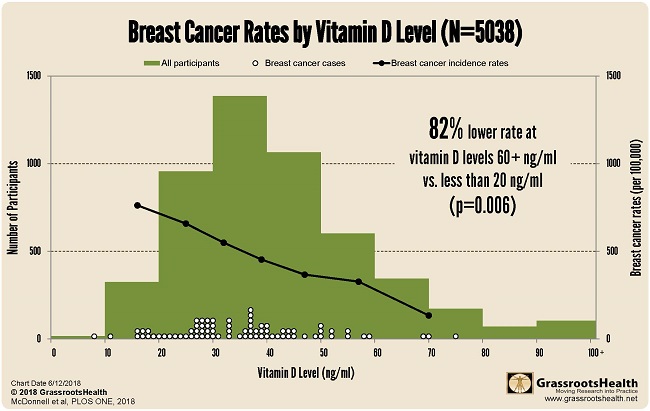
A 2018 pooled analysis of a randomized trial and a prospective cohort study by McDonnell et al. found that women who were 55 years of age or older with a vitamin D serum level of 60 ng/ml or greater had an 80% reduced risk of breast cancer compared to those with a vitamin D level of 20 ng/ml or less; 3 different analyses of the data showed similar results.

GRH BCP 2018 Fig 1 final5 sm

71% reduction in cancer risk
A 2016 pooled analysis of a randomized trial and a prospective cohort study by McDonnell et al. found that women who were 55 years of age or older with a vitamin D serum level of 40 ng/ml or greater had a 71% reduced risk of cancer compared to those with a vitamin D level of 20 ng/ml or less.

70% reduction in breast cancer risk
A 2013 case control study at UCSD School of Medicine, Mohr et al.  found that the three months prior to tumor diagnosis was a relevant window of time for cancer prevention and that those with vitamin D levels ≥35 ng/ml had a 70% reduction in risk of developing breast cancer than those with levels <15 ng/ml.

57% reduction in breast cancer risk
Bilinski et. al. demonstrated in a 2013 case control study that women with 25(OH)D levels ≥30 ng/ml had an almost 60% reduction in risk of breast cancer compared to those with levels <10 ng/ml.  Among women younger than 50 years old, there was a 71% reduction in risk and among women 50 years and older there was a 55% reduction in risk.

63% reduction in breast cancer risk
In a 2012 case control study, Yao et. al. found that women with 25(OH)D levels ≥30 ng/ml had more than a 60% reduction in breast cancer risk compared to women with levels <20 ng/ml.  Among post-menopausal women, there was a 71% reduction.

59% reduction in breast cancer risk
In a 2012 case control study, Peppone et. al. found that those with 25(OH)D levels ≥32 ng/ml had an almost 60% reduction in breast cancer risk compared to women with levels ≤20 ng/ml.

55% reduction in breast cancer risk
In a 2009 case control study, Abbas et al. found that women with 25(OH)D levels ≥24 ng/ml had more than a 50% reduction in risk of pre-menopausal breast cancer compared to those with levels <12 ng/ml.

62% reduction in breast cancer risk
In a 2009 case control study, Rejnmark found that pre-menopausal women with 25(OH)D levels ≥34 ng/ml had more than a 60% reduction in breast cancer risk compared to women with levels <24 ng/ml.

54% reduction in breast cancer risk
In a 2009 case control study, Crew et. al. found that post-menopausal women with 25(OH)D levels ≥40 ng/ml had more than a 50% reduction in breast cancer risk compared to women with levels <20 ng/ml.

69% reduction in breast cancer risk:
In a 2008 case control study, Abbas et al. found that those with 25(OH)D levels ≥30 ng/ml had an almost 70% reduced risk of post-menopausal breast cancer compared to those with levels <12 ng/ml.

77% reduction in all non-skin cancer incidence
A 2007 randomized clinical trial at Creighton University led by Joan Lappe, PhD, RN, FAAN, found that a dose of 1100 IU/day of vitamin D along with 1400-1500 mg/day of calcium helped women aged 55 and older raise their average serum vitamin D level to 38 ng/ml (from a baseline of 29 ng/ml) and prevent approximately 4 out of 5, or 80%, of all invasive cancers including breast cancer.

83% reduction in breast cancer risk
Lowe et al. demonstrated in a 2005 case control study that women with serum levels of >60 ng/ml had more than a five-fold (80%) reduction in breast cancer risk compared to women with levels <20 ng/ml.

Higher Vitamin D is Associated with Increased Survival of Breast Cancer Patients

Breast cancer patients with high levels of vitamin D in their blood are twice as likely to survive the disease as women with low levels of this nutrient, report University of California, San Diego School of Medicine researchers in the March issue of Anticancer Research.

University of California, San Diego, March 6, 2014 — In previous studies, Cedric F. Garland, DrPH, professor in the Department of Family and Preventive Medicine, showed that low vitamin D levels were linked to a high risk of premenopausal breast cancer. That finding, he said, prompted him to question the relationship between 25-hydroxyvitamin D – a metabolite produced by the body from the ingestion of vitamin D – and breast cancer survival rates.

Garland and colleagues performed a statistical analysis of five studies of 25-hydroxyvitamin D obtained at the time of patient diagnosis and their follow-up for an average of nine years. Combined, the studies included 4,443 breast cancer patients.


Tips for Prevention

Tip Topic Areas

What can be done to reduce our risk of breast cancer? Our prevention tips are one of our most sought after resources. Awareness and adoption of our tips can help redefine your daily routine and help you reduce your risk to the disease. We’ll help you identify some known and suspected breast cancer risk factors, and give you tips on how you can make simple changes to protect your health.

Tip Topic Areas

What can be done to reduce our risk of breast cancer? Our prevention tips are one of our most sought after resources. Awareness and adoption of our tips can help redefine your daily routine and help you reduce your risk to the disease. We’ll help you identify some known and suspected breast cancer risk factors, and give you tips on how you can make simple changes to protect your health.

Personal Care Products

Fragrance on a product label can mask countless carcinogens and hormone disrupting chemicals.

Kids and Family

The younger girls are when they enter puberty, the greater their risk of breast cancer later in life. Here are some top tips to help protect our kids from later life breast cancer.

Cleaning Products

Protect yourself and your family from exposure to toxic chemicals in everyday cleaning products.

Food Packaging

Kick the can, get out of plastic, and learn about more healthy ways to reduce your risk.

Every Day Earth Tips

Earth Day doesn’t come just once a year. We put together some easy ways to help you go green and keep the planet clean every day!

Workplace Health

Jobs across all sectors expose people to hazardous chemicals and radiation at work.

Top Tips


Read ingredient labels

It is perfectly legal to use ingredients linked to cancer, endocrine disruption, and reproductive harm in personal care products, cosmetics, cleaning products and food packaging.

If you don’t know what’s in it, don’t use it

Labeling loopholes have allowed companies to avoid disclosing ingredients on the labels of household cleaners, food packaging and hair and nail salon products. Buy from companies committed to full ingredient disclosure.

Avoid fragrance in everything

Fragrance (or parfum) is a cocktail of ingredients, and each fragrance can include dozens of potentially harmful chemicals. Avoid purchasing and using personal care products, cleaning products, clothing, and home goods with added fragrance as often as possible.

Wash your hands

Washing your hands kills germs and reduces exposures to unsafe chemicals. Many chemicals from everyday products end up in household (or workplace) dust. Hand-washing reduces dust on the hands, and as a result reduces exposures to chemicals, like flame retardants. Make sure to use hand soap free of harmful chemicals.

Go fresh, organic, and hormone-free

Choose fresh, organic and hormone-free foods in order to avoid exposure to pesticides, added hormones, and other possible toxic chemicals in packaged foods. Buying products grown organically reduces pesticide use, which is good for families, farm workers, and the environment, and eating fresh (or frozen) foods helps you to avoid chemicals like BPA in food can linings.

Don’t be brainwashed, greenwashed or pinkwashed

Companies use savvy marketing to sell products, so don’t let false claims trick you into buying products with harmful ingredients. Watch out for products designed to look like they good for the environment or natural. This is called green washing — words like “natural” and “safe” have little, if any, meaning without ingredient labels to back them up. Be wary of products boasting a pink ribbon, too; many pinkwashed products contain chemicals linked to cancer, and often do little to prevent or reduce breast cancer.